
- 07/08/2026
- Dr. Raviram
- 0 Comments
- Piles
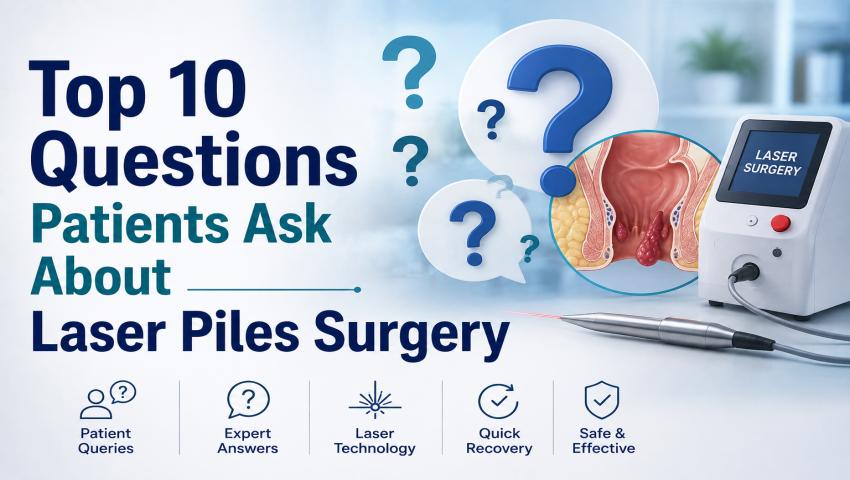
Top 10 Questions Patients Ask About Laser Piles Surgery
Ever felt that sharp pain while sitting, or noticed something unusual during a bathroom visit, but kept ignoring it hoping it would go away on its own? If you’re nodding right now, you’re not alone. Piles are far more common than most people admit, yet very few talk about it openly. The good part is, with 16 years of experience, Dr. Raviram S. has helped hundreds of patients through safe, effective laser piles treatment in Thrissur.
Advanced cases of piles usually need more than just medication — and laser treatment offers a minimally invasive, quicker, and far less painful alternative to traditional surgery. If you’ve been putting off treatment out of fear or confusion, this blog is for you. As a trusted Proctologist in Thrissur, Dr. Raviram S. believes every patient deserves clear answers first. Here are the 10 questions patients ask the most.
1. What is laser piles surgery and how does it work?
Laser piles surgery is a modern, minimally invasive way of treating hemorrhoids using focused laser energy instead of a traditional scalpel. The laser is used to shrink and seal off the blood vessels supplying the piles, which cuts off their blood supply. Over the next few days:
- The hemorrhoidal tissue gradually shrinks
- It eventually falls off on its own
- No large incisions or stitches are needed
2. Is laser piles surgery completely painless?
No surgery can be called 100% painless, but laser piles surgery comes pretty close. It’s performed under anesthesia, so patients feel little to no pain during the procedure itself. Post-surgery, most people report only mild soreness or discomfort, nothing compared to the pain associated with conventional piles surgery, which often involves a more difficult first-week recovery due to open wounds and stitches. Pain-relief medication and simple home care are usually enough to manage any post-op soreness comfortably.
Dr. Raviram’s Tip: “Most patients come in expecting the worst, but leave surprised at how manageable the discomfort actually is. Don’t let fear of pain be the reason you delay treatment.”
3. What type of anesthesia is used during the Laser Piles Surgery?
Good news here — general anesthesia is usually not required. In most cases, local or spinal anesthesia does the job just fine. This means:
- The affected area gets numbed
- The patient stays conscious and comfortable throughout
- Recovery is faster since the body isn’t affected by heavier sedation
4. How long does the Piles surgery take?
Quick and simple — that’s the best way to describe it. Laser piles surgery typically wraps up in 30 to 45 minutes, depending on how severe the piles are.
What makes it even more convenient:
- It’s done as a day-care procedure — no overnight hospital stay needed
- You can walk in, get treated, and head home the same day
- Perfect for working professionals who can’t take extended leave
- Shorter hospital time also means lower risk of hospital-acquired infections
5. How does laser surgery compare to traditional piles surgery?
Here’s a quick side-by-side comparison to help you understand the difference:
That said, the right choice still depends on the grade and severity of your piles — something best decided together with your doctor.
6. What is the recovery time after laser piles surgery?
Recovery after laser surgery is notably faster than traditional methods. Most patients can resume light daily activities within just a few days. A full recovery, including complete healing of the treated area, typically takes about 2 to 4 weeks — and many patients are back to work within 3 to 5 days, provided they follow their doctor’s post-op instructions.
Recovery speed can also depend on factors like the grade of piles treated and how closely dietary and lifestyle advice is followed during the healing period.
7. Are there any risks or side effects involved in Laser Piles Surgery?
No procedure is entirely risk-free, and laser piles surgery is no exception — though the risks here are generally minor and manageable. Some possible side effects include:
- Mild bleeding
- Temporary discomfort
- A small chance of infection
- Rare cases of recurrence
Most of these risks come down to how well the procedure is performed. Choosing an experienced proctologist in Thrissur who follows proper technique and post-care protocols makes a real difference in keeping complications to a minimum.
8. Will piles come back after laser surgery?
While laser surgery is highly effective, no treatment can guarantee that piles will never return — especially if the underlying causes, like chronic constipation, poor diet, or prolonged sitting, aren’t addressed. The good part is that when surgery is combined with a few healthy lifestyle changes, the chances of recurrence drop considerably compared to non-surgical treatments.
Simple habits like drinking enough water, staying active, and avoiding straining during bowel movements go a long way in keeping piles from coming back.
Dr. Raviram’s Tip: “Surgery treats the piles, but your daily habits decide whether they come back. I always tell my patients — the real work begins after you leave the clinic.”
9. What precautions should I take before and after the Piles surgery?
A little preparation goes a long way in ensuring smooth healing. Here’s what’s usually recommended:
Before surgery:
- Follow your doctor’s dietary guidelines
- Complete any recommended pre-surgical tests
After surgery:
- Eat a high-fiber diet
- Stay well hydrated
- Avoid heavy lifting
- Avoid sitting for long stretches for a few weeks
Dr. Raviram’s Tip: “Fiber and water are your best friends after surgery. Most complications I see could’ve been avoided with these two simple habits alone.”
10. How much does laser piles surgery cost?
The cost of laser piles surgery isn’t fixed — it depends on factors like the severity of your condition, the hospital or clinic you choose, your city, and whether insurance coverage applies. While it can be slightly more expensive upfront compared to traditional surgery, many patients feel the shorter recovery time and reduced discomfort make it well worth it.
That’s exactly why a lot of patients specifically search for laser piles treatment in Thrissur — to compare experienced doctors and get fair, transparent pricing in the region. For an accurate estimate, it’s always best to consult your doctor directly
Conclusion:
Laser piles surgery has become a preferred choice for many patients thanks to its minimally invasive nature, shorter recovery time, and reduced post-operative pain. That said, every patient’s condition is different, and the best treatment approach depends on factors like the grade of piles, overall health, and personal preferences.
If you’re experiencing symptoms of piles or considering surgical treatment, the best first step is to consult a specialist who understands your concerns and can guide you calmly through the process. Don’t let hesitation hold you back any longer. Book a consultation with Dr. Raviram S. at Thrissur Piles Clinic, and take the first step toward a pain-free life.
Frequently Asked Questions:
Yes, laser piles surgery is generally considered safe when performed on a suitable patient by an experienced specialist. The treatment is minimally invasive and usually causes less tissue damage than conventional surgical methods.
No treatment can guarantee 100% success for every patient. Results depend on the type and severity of piles, treatment selection, and maintaining healthy bowel habits after treatment.
Laser treatment may be suitable for patients with symptomatic piles who need a procedural treatment. A specialist evaluates the grade, size, symptoms, and overall condition before recommending it.
Laser treatment may not be suitable for every type or advanced stage of piles. Some patients may also experience temporary discomfort, swelling, or other post-treatment symptoms.
In selected cases, laser treatment may be considered for Grade 4 piles, but it is not suitable for everyone. The appropriate treatment depends on the degree of prolapse and overall condition of the hemorrhoids.