
- 16/05/2026
- Dr. Raviram
- 0 Comments
- Anal Abscesses
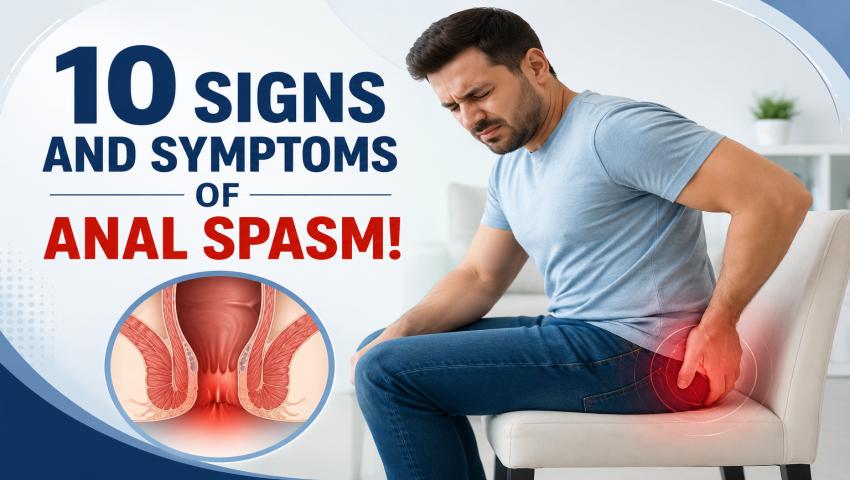
10 signs and symptoms of Anal Spasm!
Have you ever felt a sudden, sharp pain in your anal area that came out of nowhere? It can be shocking and very uncomfortable. Many people experience this but never talk about it. This condition is called anal spasm, and it is more common than you think.
Anal spasm happens when the muscles around the anus contract suddenly and tightly. The pain can last for a few seconds or several minutes. Sometimes it can even last for hours. This can seriously affect your daily life, sleep, and work.
The good news is that anal spasm is treatable. But first, you need to recognise the signs. Ignoring the symptoms for too long can make the condition worse. If you are based in Kerala, consulting an experienced Proctologist in Thrissur like Dr. Raviram S. can give you the right diagnosis and relief.
In this blog, we discuss the 10 common signs and symptoms of anal spasm that you must not ignore.
What Is Anal Spasm?
Anal spasm is an involuntary tightening of the internal anal sphincter muscle. This muscle controls bowel movements. When it contracts without reason, it causes intense pain around the rectum and anus.
The medical name for recurring anal spasm without a known cause is Proctalgia Fugax. Another related condition is Levator Ani Syndrome, which causes chronic pelvic and rectal discomfort.
These conditions can be associated with piles (haemorrhoids), anal fissures, fistulas, or even stress and anxiety.
10 Signs and Symptoms of Anal Spasm:
1. Sudden and Severe Rectal Pain:
The most common and well-known symptom is sudden, sharp pain in the rectal area. This pain comes without any warning. It can feel like a cramp or a stabbing sensation deep inside the rectum.
This pain can wake you up from sleep at night. It is often intense but usually passes within a few minutes. Some people describe it as “someone squeezing from the inside.”
2. Pain That Comes and Goes:
Anal spasm pain is not constant. It comes in episodes. You may feel perfectly fine for days or weeks. Then suddenly, the pain returns.
This pattern confuses many patients. They think the pain is gone and do not seek treatment. But recurring episodes are a clear warning sign that something is wrong internally.
3. Difficulty Sitting Comfortably:
If you find it hard to sit for long periods due to rectal discomfort, it could be a sign of anal spasm. The pressure from sitting can trigger a spasm or worsen the pain.
Many office workers, students, and drivers in Thrissur and across Kerala face this problem daily. Do not brush it aside as “back pain.” See a qualified Proctologist doctor in Thrissur to get it properly checked.
4. Pain During or After Bowel Movements:
Anal spasm often causes pain before, during, or after passing stools. The act of straining during bowel movements can trigger a muscle spasm.
This symptom is also commonly associated with anal fissures and piles. If you are also noticing blood in stools or a tear near your anus, you should see a Fissure Specialist in Thrissur immediately.
5. Feeling of Incomplete Evacuation:
Many patients with anal spasm report a constant feeling that their bowels are not completely empty. This is known as tenesmus. It is a very uncomfortable sensation.
Even after a bowel movement, the feeling of pressure or fullness does not go away. This can lead to repeated toilet visits and frustration.
6. Rectal Pressure and Heaviness:
Some people do not experience sharp pain but feel a constant heaviness or pressure deep inside the rectum. This aching, dull sensation can last for hours.
This symptom is often seen in Levator Ani Syndrome. It can make everyday activities like walking, exercising, or even standing feel uncomfortable.
7. Spasm Triggered by Stress or Anxiety:
Did you know that your emotional health can affect your rectum? Stress and anxiety are well-known triggers for anal spasm. When you are under pressure, your body tenses up, including your sphincter muscles.
If your rectal pain gets worse during stressful periods — like exams, work deadlines, or family problems — it could be related to muscle spasm. Many patients in Thrissur are surprised to learn this connection.
8. Pain That Radiates to Buttocks or Lower Back:
Sometimes, the pain of anal spasm does not stay in one place. It can spread to the buttocks, thighs, or lower back. This radiating pain confuses many patients who think it is a spine or hip issue.
If your lower back or buttock pain comes with rectal discomfort, always mention this to your doctor. It is important to rule out other serious conditions.
9. Discomfort During Sexual Activity:
Anal spasm can cause significant discomfort or pain during sexual activity. This is especially true for women, where the spasm can also affect the vaginal muscles. Men can also experience referred pelvic pain.
This symptom is often under-reported due to embarrassment. But it is important to discuss it openly with your doctor. A trained specialist will handle your concern with full privacy and respect.
10. Disrupted Sleep Due to Nocturnal Pain:
One of the hallmark features of Proctalgia Fugax is that the pain often strikes at night, waking the patient from sleep. The sudden cramping in the rectal area makes it impossible to sleep well.
Chronic sleep disruption leads to fatigue, irritability, and lower quality of life. If you are regularly woken up by rectal pain at night, please do not delay seeking help.
What Conditions Are Linked to Anal Spasm?
Anal spasm is often not a standalone condition. It can be associated with:
- Piles (Haemorrhoids) — swollen veins in the rectum
- Anal Fissures — small tears in the anal lining
- Anal Fistulas — infected tunnels near the anus
- Pilonidal Sinus — a cyst near the tailbone
- Irritable Bowel Syndrome (IBS)
- Chronic constipation
These conditions can trigger or worsen muscle spasms. Getting the right diagnosis is therefore very important.
When Should You See a Doctor?
You should see a doctor if:
- The pain is recurring and getting worse
- You notice blood in your stools
- You have difficulty passing stools regularly
- The pain is affecting your sleep or daily life
- You feel a lump or swelling near your anus
Do not wait. Early treatment leads to faster relief and prevents complications.
Why Choose Dr. Raviram S. at Thrissur Piles Clinic?
Dr. Raviram S. is a highly experienced Gastrointestinal Surgeon and Laser Proctologist based in Thrissur, Kerala. He is the Founder and Director of Thrissur Piles Clinic, located at 1st Floor, Room No. 2, Zabs Fort, Collectorate Road, West Fort, Thrissur, Kerala – 680004.
With over 16 years of experience and more than 4,000 advanced proctological procedures performed, Dr. Raviram S. is a trusted name for rectal and colon health in Kerala. He holds an MCh in Surgical Gastroenterology from Government Medical College, Thiruvananthapuram, with a specialisation in Minimally Invasive GI Surgery.
He is recognised as a leading Piles Specialist in Thrissur, a reputed Fissure Specialist in Thrissur, and a highly sought-after Fistula Specialist in Thrissur.
His clinic has served over 15,000 happy patients with a remarkable 99% success ratio.
He has been honoured with the Prime Time Global Healthcare Icon Award 2024 and the Excellence Award in Laser Proctology at the Global Healthcare & Wellness Awards, New Delhi.
Conclusion:
Anal spasm is a real and painful condition. It is not something to be embarrassed about. Millions of people silently suffer from it every day. Recognising the symptoms early and consulting a qualified specialist is the best thing you can do for your health.
If you are in Thrissur or the surrounding areas of Kerala, you are in good hands. Visit Thrissur Piles Clinic and consult Dr. Raviram S. for a thorough evaluation and modern, minimally invasive treatment.
📞 Call Now: 9961001199
🌐 Website: www.thrissurpilesclinic.com
📧 Email: drraviram12@gmail.com
🕐 Open 24 Hours
Your comfort and health cannot wait. Take the first step today.