
- 19/09/2026
- Dr. Raviram
- 0 Comments
- Piles
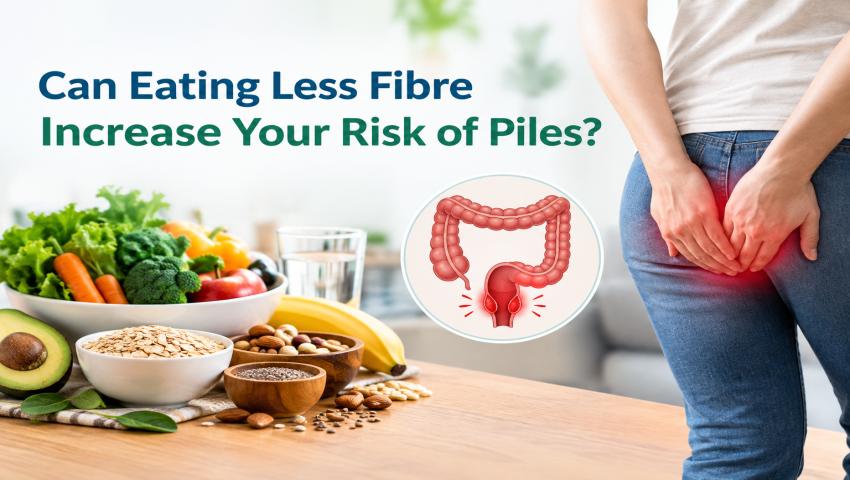
Can Eating Less Fibre Increase Your Risk of Piles?
Have you ever wondered why some people struggle with piles even though they don’t have any “obvious” health conditions? More often than not, the answer lies in something as simple as your daily diet — specifically, how much fibre you’re eating. A low-fibre diet and piles risk are more closely linked than most people realise.
According to Dr. Raviram S., an experienced Proctologist in Thrissur who has treated countless such cases, most piles cases he sees can be traced back to years of fibre deficiency, poor eating habits, and irregular bowel routines. If you’ve been searching for reliable Piles Treatment in Thrissur, understanding this fibre connection is the first step towards real relief.
In this blog, we’ll break down exactly how low fibre intake affects your digestion, why it increases your risk of piles, and what you can do about it — in simple, easy-to-understand language.
What Are Piles (Hemorrhoids)?
Piles, medically known as hemorrhoids, are swollen and inflamed veins located in the lower rectum or around the anus. They can be:
- Internal piles – located inside the rectum, usually painless but may cause bleeding
- External piles – located under the skin around the anus, often more painful and itchy
Common symptoms include pain or discomfort while sitting, itching, swelling, and bleeding during bowel movements. While piles are extremely common, many people delay treatment simply because they feel embarrassed to talk about it — which often makes the condition worse over time.
Why Fibre Matters for Digestion?
Fibre helps keep your digestive system healthy. It adds bulk to your stool, helps it retain water, and allows it to move smoothly through the intestines. Without enough fibre, digestion slows down and stool becomes harder to pass.
There are two main types:
Soluble fibre
- Dissolves in water and softens stool
- Also supports healthy blood sugar and cholesterol levels
- Found in oats, apples, and legumes
Insoluble fibre
- Adds bulk and speeds up stool movement through the intestines
- Found in whole grains, vegetables, and wheat bran
When you eat enough fibre, stools stay soft and pass easily. But when fibre intake is low, stools become smaller, harder, and drier — setting the stage for constipation and, eventually, piles.
How Low Fibre Intake Leads to Piles?
Here’s the direct link most people don’t realise:
- A low-fibre diet leads to harder, drier stools that are difficult to pass
- This often results in constipation — infrequent, incomplete, or uncomfortable bowel movements
- To pass such stools, a person needs to strain, which increases pressure on the veins in the rectal and anal area
- Over time, this repeated pressure causes the veins to stretch, weaken, and swell — forming piles
In many cases, this isn’t caused by a single episode of straining but by months or years of low-fibre eating and chronic constipation building up quietly in the background.
In simple terms — less fibre, harder stool, more straining, higher risk of piles. This is one of the most common patterns seen by any experienced Proctologist in Thrissur while diagnosing new piles cases, and it’s also why increasing fibre intake is often the very first recommendation given, even before considering medication or procedures.
The Role of Constipation and Straining:
Constipation is essentially the “middle step” between low fibre and piles. When bowel movements are infrequent or difficult, people tend to:
- Sit on the toilet for longer periods
- Strain harder to pass stool
- Hold their breath while pushing (which increases abdominal pressure)
All of these habits directly increase pressure on the rectal veins. If constipation becomes a regular pattern, the risk of developing piles increases significantly — and existing piles can also get worse, sometimes to a point where they no longer respond to diet alone and need options like the Best Laser Piles Treatment in Thrissur.
It’s worth noting that fibre deficiency isn’t the only cause. Other contributing factors include a sedentary lifestyle, dehydration, pregnancy, obesity, and prolonged sitting — but low fibre intake remains one of the most preventable and controllable causes. This is exactly why a consultation with a Proctologist in Thrissur often starts with a detailed look at diet and daily routine, not just symptoms.
High-Fibre Foods That Help Prevent Piles:
The good news is that increasing fibre intake is simple and doesn’t require any drastic lifestyle changes. Some easy additions to your daily diet include:
- Fruits: papaya, guava, apples, bananas, pears
- Vegetables: spinach, carrots, beans, sweet potatoes
- Whole grains: oats, brown rice, whole wheat roti
- Legumes: lentils (dal), chickpeas, kidney beans
- Nuts and seeds: almonds, flaxseeds, chia seeds
Simple swaps, like replacing white rice with brown rice or refined flour with whole wheat, can make a noticeable difference over a few weeks — and this dietary shift is usually one of the first things recommended as part of any Piles Treatment in Thrissur.
Tips to Increase Fibre Intake Safely:
While fibre is beneficial, increasing it too quickly can cause bloating or gas. Here’s how to do it the right way:
- Increase gradually – add fibre-rich foods slowly over 1–2 weeks
- Stay hydrated – fibre needs water to work effectively; drink at least 2–3 litres daily
- Stay active – regular walking or light exercise supports healthy bowel movement
- Avoid holding stool – go to the toilet as soon as you feel the urge
- Limit processed foods – these are typically low in fibre and worsen constipation
Making these small adjustments consistently can significantly reduce your risk of developing piles. However, if piles have already progressed to a more advanced stage, diet alone may not be enough, and options like the Best Laser Piles Treatment in Thrissur may need to be considered alongside these lifestyle changes.
When to See a Doctor in Thrissur:
While dietary changes help a lot, some situations need professional medical attention, such as:
- Persistent or heavy bleeding during bowel movements
- Severe pain that doesn’t improve with home care
- Piles that keep recurring despite diet and lifestyle changes
- A lump or swelling near the anus that doesn’t reduce on its own
In such cases, consulting an experienced specialist is important rather than relying solely on home remedies. Dr. Raviram S., with 16 years of clinical experience, often recommends that patients not delay consultation, as early-stage piles are much easier to manage than advanced ones.
For patients whose piles don’t respond well to diet and medication, modern procedures like the Best Laser Piles Treatment in Thrissur offer a minimally invasive, quick-recovery option, involving less pain, minimal bleeding, and a faster return to normal routine compared to traditional surgery.
Conclusion:
Yes, eating less fibre can genuinely increase your risk of piles. A low-fibre diet leads to constipation, and the straining that follows puts pressure on your rectal veins — eventually causing piles. The good news? This is one of the most preventable causes. Small changes — more fruits, vegetables, whole grains, staying hydrated, and staying active — can protect your digestive health long-term.
If you’re already experiencing symptoms, don’t wait. Book a consultation with Dr. Raviram S., an experienced Proctologist in Thrissur, today and get a treatment plan that gets you lasting relief.
📞 Call now: +91-9961001199 | Book Appointment →
Frequently Asked Questions:
It helps soften stools and reduces straining, which can ease early-stage piles. But advanced piles may still need medical treatment alongside diet changes.
Straining during bowel movements — usually caused by constipation from low fibre intake and dehydration.
Refined flour, fried and processed foods, excess dairy, and red meat. Replace them with fruits, vegetables, and whole grains.
Low fibre is a major cause, but a sedentary lifestyle, dehydration, pregnancy, obesity, and prolonged sitting also contribute.
Around 25–30 grams a day, increased gradually with plenty of water to avoid bloating.