
- 27/08/2026
- Dr. Raviram
- 0 Comments
- Pilonidal Sinus
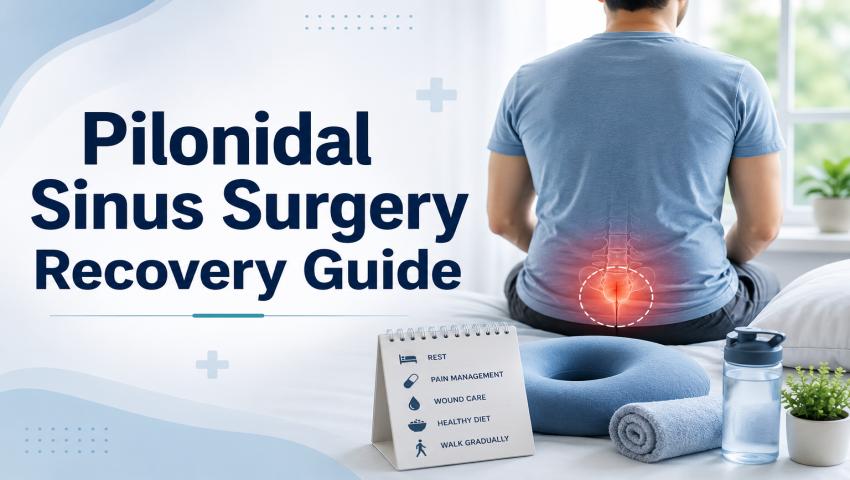
Pilonidal Sinus Surgery Recovery Guide
Just had your pilonidal sinus surgery and wondering why nobody warned you about this part of the journey? You are not alone. Most patients focus so much on the surgery itself that pilonidal sinus surgery recovery ends up feeling like uncharted territory — how long will the wound take to heal, when can you sit comfortably again, what if the area starts oozing or smelling odd? These are genuine worries, and honestly, they deserve honest answers, not vague reassurances.

15,000 +
Happy Patients

16 +
Years of Experience
4,000 +
successful surgeries

99%
Success Ratio
That’s exactly what this guide is here for. We spoke with Dr. Raviram S., who brings over 16 years of experience treating pilonidal disease, to put together a recovery roadmap that actually makes sense — day by day, week by week. This guide walks you through everything from wound care to warning signs, so you know exactly what’s normal and what needs a doctor’s attention. If you’re currently exploring options for Pilonidal Sinus Treatment in Thrissur, understanding recovery in advance can honestly make the entire experience far less stressful.
Types of Surgical Procedures:
Before we talk recovery, it helps to know which procedure you’ve had (or are considering), because healing time and aftercare depend heavily on this.
- Incision and Drainage – Usually done to relieve an acute abscess. Quick relief, but often just a temporary fix.
- Excision with Open Healing – The cyst is removed and the wound is left open to heal naturally from the inside out. Takes longer (often 6–12 weeks) but has a lower recurrence rate.
- Excision with Primary Closure – The wound is stitched shut immediately. Faster initial healing, but slightly higher chances of the wound reopening.
- Flap Procedures (Limberg, Karydakis) – Used for recurrent or complex cases. Tissue is repositioned to flatten the natal cleft, reducing future recurrence.
- Laser Pilonidal Sinus Treatment – A minimally invasive option gaining popularity for its shorter recovery window and reduced post-op discomfort.
Dr. Raviram S., a well-known Proctologist in Thrissur, often points out that the right procedure depends on the size, depth, and recurrence history of the sinus — not a one-size-fits-all decision. This is exactly why a proper consultation before surgery matters so much.
Immediate Post-Op Care (First 24–48 Hours):
Wound care basics
Keep the dressing clean and dry. Avoid touching or peeking at the wound unnecessarily.
Activity restrictions
Rest is non-negotiable here. Avoid sitting directly on the wound; use a donut cushion or lie on your side if needed.
Pain management
Mild to moderate pain is expected. Take medications exactly as prescribed — don't skip doses hoping to "tough it out."
Signs to watch before discharge
Make sure you understand dressing-change instructions, when your follow-up is scheduled, and what discharge/bleeding is considered normal.
Short indoor walks (even just around the room) are usually encouraged from Day 1 itself — they help blood circulation without stressing the wound.
Week-by-Week Recovery Timeline:
Pilonidal sinus surgery recovery isn’t linear, but here’s a realistic breakdown most patients can expect:
- Week 1: Rest dominates this week. Mild swelling, discomfort, and some fluid drainage are normal. Dressing changes begin, and hygiene becomes a daily priority.
- Weeks 2–3: Pain gradually eases. You can start moving around more, though prolonged sitting is still off-limits. Wound monitoring continues — this is when infections, if any, tend to show up.
- Weeks 4–6: Most patients can return to light activity and desk-based work. Physically demanding jobs usually need a longer break — sometimes up to 8 weeks.
- Beyond 6 Weeks: For wounds left open to heal naturally, complete closure can take anywhere from 2 to 3 months. Patients who underwent Laser Pilonidal Sinus Treatment often report noticeably faster healing during this phase.
Every body heals differently, so treat these as general markers, not strict deadlines.
Wound Care & Dressing Changes:
Proper wound care genuinely determines how smooth (or complicated) your recovery turns out to be.
- Clean the area gently as instructed — usually with saline or a prescribed antiseptic solution.
- If your wound is healing open, packing (gauze insertion) may be required to help it close from the inside out. Never attempt this without guidance.
- Change dressings as frequently as your doctor advises — this is often daily in the early weeks.
- Watch for foul odour, unusual discharge colour, or increasing redness around the site — these can be early infection signs.
Managing Pain and Discomfort:
Pain after pilonidal sinus surgery is manageable, but only if you approach it sensibly.
- Take prescribed pain medication on schedule rather than waiting for pain to peak.
- Avoid sitting flat on hard surfaces; a cushion designed to relieve pressure on the tailbone area works well.
- Sleeping on your side (not your back) often reduces pressure on the wound.
- Gentle movement, rather than complete immobility, actually helps reduce stiffness and discomfort over time.
Patients who opt for Laser Pilonidal Sinus Treatment in Thrissur often report noticeably less post-op pain compared to traditional open surgery, since the procedure is far less invasive on surrounding tissue.
Hygiene and Lifestyle Adjustments:
Small daily habits make a bigger difference than most people expect.
- Bathing: Shower as usual once your doctor permits it, but avoid soaking the wound (no bathtubs or swimming) until it’s fully healed.
- Clothing: Loose-fitting, breathable clothes reduce friction and sweating around the surgical site.
- Diet: A fibre-rich diet helps prevent constipation, and straining during bowel movements is genuinely one of the worst things for a healing wound. Stay well hydrated too.
- Hair removal: Keeping the area free of hair (as advised by your doctor) reduces irritation and future recurrence risk.
Warning Signs — When to Call Your Doctor?
Most recoveries go smoothly, but knowing red flags can prevent complications from escalating.
Call your doctor immediately if you notice:
- Fever or chills
- Increasing pain instead of gradual improvement
- Excessive or foul-smelling discharge
- The wound reopening or bleeding heavily
- Swelling that keeps getting worse rather than settling
When in doubt, it’s always safer to check with your doctor than to assume it’ll resolve on its own. If symptoms feel unusual or worsen quickly, getting in touch with an experienced Proctologist in Thrissur without delay is the safest move.
Preventing Recurrence:
Pilonidal sinus has a frustrating tendency to return if preventive habits aren’t followed.
- Maintain good hygiene in the natal cleft area consistently, not just during recovery.
- Consider regular hair removal in the region if you’re prone to ingrown hairs.
- Avoid prolonged sitting for long stretches, especially on hard surfaces.
- Maintain a healthy weight, as excess weight increases pressure and moisture in the area.
Patients who’ve had recurrent issues are often better candidates for flap procedures or Laser Pilonidal Sinus Treatment, which are specifically designed to reduce the chances of it coming back.
Conclusion:
Pilonidal sinus surgery recovery takes patience, but with the right care, most patients heal completely and resume their normal routine. Consistency is key — proper wound care, sensible activity, and listening to your body’s signals.
If you’re in Kerala and need expert guidance, Dr. Raviram S., a trusted name for Pilonidal Sinus Treatment in Thrissur, brings 16 years of experience managing both straightforward and recurrent cases. You can book an appointment today to discuss the recovery approach that suits you best.
This guide is for general informational purposes. Always follow your surgeon’s personalised recovery instructions.
Frequently Asked Questions:
Most patients need a full week of rest, avoiding sitting on the wound. Desk work is usually possible in 2–3 weeks, while physical jobs may need 6–8 weeks off.
Closed excision or laser treatment usually heals in 2–4 weeks, while open wounds can take 2–3 months to fully close.
Consistent wound care, proper hygiene, and avoiding prolonged sitting speed up healing. Laser treatment also tends to heal faster than traditional surgery.
Mild to moderate pain is normal for the first few days and eases gradually. Prescribed medication and side-sleeping help manage discomfort.
Yes, recurrence is possible without preventive care. Good hygiene, regular hair removal, and avoiding prolonged sitting lower the risk.