
- 07/04/2026
- Dr. Raviram
- 0 Comments
- Piles
When Do Piles Become Dangerous? (Most People Don’t Know)
Piles, also known as hemorrhoids, are a very common problem affecting millions of people. Many patients experience symptoms like bleeding during bowel movements, itching, swelling, or discomfort around the anus. In the early stages, piles are usually mild and can often be managed with lifestyle changes and medications.
However, many people ignore the symptoms for a long time because they feel embarrassed or assume it is a minor issue. According to Dr. Raviram S., Proctologist in Thrissur, piles can become dangerous if they are left untreated or if the condition progresses to an advanced stage.
Understanding the warning signs is important so that patients can seek treatment before complications develop.
What Exactly Are Piles?
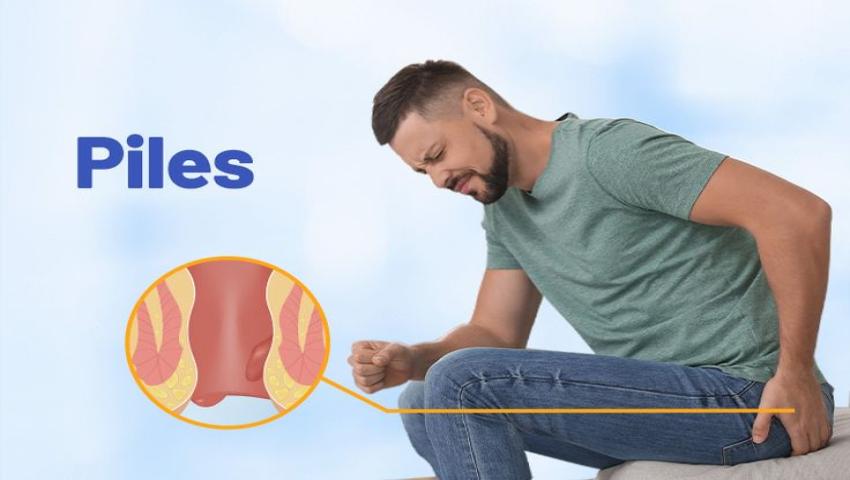
Piles are swollen veins in the lower rectum or anus. They develop when there is increased pressure in the rectal area, which can occur due to chronic constipation, straining during bowel movements, prolonged sitting, obesity, or pregnancy.
There are two main types of piles:
- Internal Piles – These develop inside the rectum and may cause painless bleeding.
- External Piles – These develop under the skin around the anus and may cause pain, swelling, or itching.
In many cases, early piles may not cause severe symptoms, but the condition can worsen if ignored.
When Do Piles Become Dangerous?
While piles are not usually life-threatening, they can become serious when complications develop. Here are some situations where piles should not be ignored.
1. Persistent Rectal Bleeding: Occasional mild bleeding during bowel movements is common in piles. However, frequent or heavy bleeding can lead to anemia over time.
If bleeding continues for a long period, the body may lose significant blood, causing symptoms such as:
- Weakness
- Fatigue
- Dizziness
- Pale skin
Persistent bleeding should always be evaluated by a specialist.
2. Severe Pain and Swelling: Piles are usually painless in the early stages. But when they become swollen or inflamed, they can cause significant discomfort.
In some cases, a blood clot may form inside an external hemorrhoid, a condition known as thrombosed piles. This can lead to:
- Severe pain
- Hard lump near the anus
- Sudden swelling
- Difficulty sitting or walking
This condition often requires medical attention.
3. Prolapsed Hemorrhoids: In advanced stages, internal hemorrhoids may protrude outside the anus, a condition called prolapse.
Initially, these hemorrhoids may go back inside on their own, but over time they may remain outside permanently. This can cause:
- Pain and irritation
- Difficulty maintaining hygiene
- Increased risk of infection
Prolapsed piles often require medical treatment.
4. Infection or Ulceration: If piles remain untreated for a long time, the surrounding tissues can become irritated or infected. In rare cases, ulcers may develop in the affected area, leading to severe pain and discomfort.
This can significantly affect daily activities and quality of life.
5. Severe Constipation and Straining: When piles cause pain during bowel movements, many patients start avoiding going to the toilet. This can lead to chronic constipation, which further worsens the condition.
Continuous straining increases pressure on the veins and may cause the piles to enlarge.
Conditions That Can Be Mistaken for Piles:
Many people assume that any bleeding from the anus is caused by piles, but this is not always true.
Sometimes, symptoms may be caused by other conditions such as:
- Anal fissures
- Anal fistula
- Polyps in the rectum
- Inflammatory bowel disease
This is why proper medical evaluation is important if symptoms persist.
When Should You See a Doctor?
You should consult a doctor if you experience:
- Frequent or heavy rectal bleeding
- Severe pain during bowel movements
- A lump or swelling near the anus
- Persistent itching or irritation
- Symptoms that do not improve with home remedies
Early diagnosis can help prevent complications and ensure proper treatment.
Available Treatment Options:
Treatment depends on the severity of the condition.
Lifestyle Changes: In mild cases, simple changes can help reduce symptoms:
- Eating a high-fiber diet
- Drinking enough water
- Avoiding excessive straining
- Exercising regularly
Medical Procedures: If symptoms persist, doctors may recommend advanced procedures. Modern piles treatment options are minimally invasive and provide faster recovery compared to traditional surgery.
In some patients, piles may occur along with other anorectal problems, and proper evaluation may be required to rule out conditions that may need fissure treatment or fistula treatment.
Expert Care Matters:
Proper diagnosis and treatment are important for preventing complications. At Thrissur Piles Clinic, Dr. Raviram S., Proctologist in Thrissur, specializes in diagnosing and treating anorectal conditions using advanced and patient-friendly techniques.
If you are experiencing symptoms such as bleeding, pain, or swelling, seeking medical advice early can prevent the condition from becoming severe. To consult Dr. Raviram S or to learn more about the available treatment options, you can Call: 996 100 1199 and get expert guidance for your condition.
Conclusion:
Piles are common and usually not dangerous in the early stages. However, ignoring symptoms for a long time can lead to complications such as severe bleeding, thrombosis, prolapse, or infection.
Recognizing the warning signs and seeking timely medical advice can prevent serious problems. If you experience persistent symptoms, consulting a qualified specialist can help you receive the right diagnosis and effective treatment.