
- +91-9961001199 Call Us Now
- enquiry@thrissurpilesclinic.com Drop Us a Line
Recurrent Fistula Specialist in Thrissur

Dr. Raviram S. (MS, MCh - Best Proctologist)
Recurrent Fistula Specialist in Thrissur:
A recurrent anal fistula can be frustrating, especially when symptoms return after what was expected to be a successful surgery. Persistent pain, swelling, discharge, or repeated abscess formation often indicates that the underlying fistula has not healed completely and requires a more detailed evaluation rather than another routine procedure. If you’re looking for a Recurrent Fistula Specialist in Thrissur, seeking timely treatment from an experienced Proctologist in Thrissur can help identify the underlying cause and reduce the risk of further recurrence.
At Thrissur Piles Clinic, recurrent fistula cases are managed by Dr. Raviram S., MCh (Surgical Gastroenterology), MS (General Surgery), a Gastrointestinal Surgeon and Laser Proctologist with over 16 years of surgical experience. Having successfully treated 1,500+ fistula cases, including many complex and previously operated fistulas, he focuses on identifying the exact cause of recurrence before recommending the most appropriate treatment for each patient. Every treatment plan is based on a detailed clinical evaluation, advanced diagnostic techniques when required, and modern sphincter-preserving procedures aimed at achieving long-term healing. Patients seeking reliable Recurrent Fistula Treatment in Thrissur can expect honest guidance, evidence-based care, and treatment tailored to their individual condition.
Understanding Recurrent Anal Fistula:
A recurrent fistula returns after treatment meant to close it permanently. This type of fistula-in-ano recurrence can happen within weeks of surgery or appear months later, sometimes at the same location and sometimes with a new external opening.
A recurrence doesn’t always mean the original surgery was done poorly. Hidden branches, a residual fistula tract, or a missed secondary tract may remain undetected during the first operation. Getting the right Recurrent Anal Fistula Treatment in Thrissur means identifying these issues before planning further treatment.
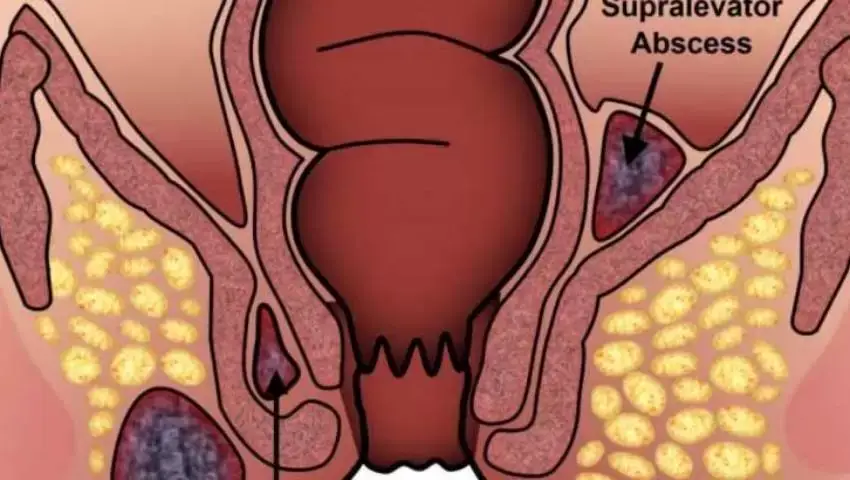
Why Does Fistula Recur After Surgery?
There are several common reasons a fistula comes back:
- A missed secondary tract remained untreated during the first surgery.
- The internal opening of the fistula wasn’t correctly identified.
- An underlying condition, such as Crohn’s disease or tuberculosis, wasn’t diagnosed.
- An incomplete fistulectomy or an unsuitable surgical technique left part of the tract behind.
- The wound didn’t heal properly because of infection or poor post-operative care.
Recognising the actual cause is the first step—repeating the same approach without understanding why it failed usually leads to another recurrence.
Symptoms of Fistula Recurrence:
Common Fistula Recurrence Symptoms include:
- Renewed discharge after surgery or pus from the previous surgical site
- Pain or discomfort during bowel movements
- Swelling or a new lump developing near the previous scar
- A recurring perianal abscess
- Skin irritation due to continuous leakage
These Fistula Recurrence Symptoms are often mistaken for delayed healing, causing many patients to postpone treatment until the infection becomes more severe.
Diagnosis for Recurrent Fistula Cases:
Diagnosing a recurrent fistula is often more challenging than diagnosing a first-time fistula. Previous surgery can alter the normal anatomy, create scar tissue, and make it difficult to identify the original fistula tract. Before recommending any further treatment, Dr. Raviram carefully evaluates why the fistula has returned and whether any part of the infection was left untreated.
The evaluation may include:
- Reviewing previous surgical records and imaging, if available
- Identifying the internal opening and checking for any residual fistula tract or missed secondary tract
- MRI Fistulogram, when required, to assess the current fistula pathway and any hidden extensions
- Endoanal Ultrasound to evaluate sphincter muscle involvement, particularly in patients who have undergone previous surgery
By understanding what caused the recurrence instead of simply treating the symptoms, Dr. Raviram develops a personalized treatment plan that addresses the underlying problem and helps reduce the risk of another recurrence.
Advanced Treatment Options for Recurrent Fistula:
Treating a recurrent fistula usually requires a different strategy than the first attempt because scar tissue and altered anatomy make surgery more challenging. Depending on the diagnosis, Dr. Raviram may recommend:
- Seton Placement to control infection and safely drain complex fistulas.
- LIFT Procedure (Ligation of Intersphincteric Fistula Tract), a sphincter-preserving option suitable for selected recurrent cases.
- VAAFT (Video-Assisted Anal Fistula Treatment) for direct visualization of hidden fistula tracts.
- Laser Fistula Ablation for selected patients seeking a minimally invasive approach.
- Redo Fistula Surgery or sphincter-preserving re-surgery when previous procedures have failed and a definitive treatment is required.
Choosing the right technique depends entirely on the underlying cause of recurrence rather than using the same approach for every patient.
How to Prevent Fistula Recurrence?
While no treatment can eliminate the risk of recurrence, the chances of a fistula returning can be significantly reduced with proper planning, the right surgical technique, and careful post-operative care. Preventing recurrence starts with treating the underlying cause rather than simply closing the external opening.
Here are a few important steps that help reduce the risk of recurrence:
- Accurate identification of the internal opening and all fistula tracts before surgery.
- Advanced imaging, such as an MRI Fistulogram, when required to detect hidden branches.
- Choosing the most appropriate sphincter-preserving procedure based on the fistula’s complexity.
- Following post-operative instructions, including wound care, hygiene, and prescribed medications.
- Attending regular follow-up appointments to monitor healing and detect any early signs of recurrence.
- Managing underlying conditions such as Crohn’s disease or tuberculosis, when present.
At Thrissur Piles Clinic, Dr. Raviram S. focuses on fistula recurrence prevention through careful diagnosis, individualized treatment planning, and close follow-up, helping patients achieve long-term healing with a lower risk of recurrence.
Why Choose Dr. Raviram for Recurrent Fistula Treatment in Thrissur?
Recurrent fistulas require accurate diagnosis, advanced surgical expertise, and a personalized treatment plan. As a Recurrent Fistula Specialist in Thrissur, Dr. Raviram S. focuses on identifying the root cause of recurrence and selecting the most appropriate treatment for long-term healing.
Patients choose him because of:
- 16+ years of surgical experience
- 1,500+ fistula cases successfully treated
- 99% success rate
- MCh in Surgical Gastroenterology & MS in General Surgery from Government Medical College, Thiruvananthapuram
- Expertise in advanced sphincter-preserving fistula procedures
- Research published in leading national and international journals
- Recipient of the Global Healthcare Icon Award 2024, Excellence Award in Laser Proctology, and Jayakrishnan Memorial Gold Medal
Whether your fistula has returned recently or after years, Dr. Raviram S. at Thrissur Piles Clinic can help. As an experienced recurrent fistula surgeon, he finds out why it came back and plans a sphincter-preserving treatment for lasting healing. Had a failed procedure? Bring your earlier reports for a second opinion.
Frequently Asked Questions (FAQ's):
Yes. A fistula can recur if the internal opening or hidden fistula tracts remain untreated. A detailed evaluation helps identify the cause and plan the most appropriate treatment.
Common symptoms include pain, swelling, pus or bloody discharge, a recurring abscess, and a new opening near the anus. If these symptoms return after surgery, consult a specialist without delay.
Fistula surgery may fail due to hidden secondary tracts, an untreated internal opening, ongoing infection, or an underlying medical condition. Identifying the exact cause is essential before further treatment.
Not always. Depending on the recurrence, minimally invasive procedures or sphincter-preserving techniques may be suitable. The right treatment is decided after a thorough evaluation.
If your symptoms persist, the fistula returns, or you’ve had one or more unsuccessful surgeries, seeking a second opinion can help identify the cause and explore better treatment options.
Book An Appointment:
If your fistula has returned after previous treatment, don’t wait for the symptoms to worsen. Early evaluation can help identify the cause of recurrence and guide the most appropriate treatment before further complications develop.
Book a consultation with Dr. Raviram S., Recurrent Fistula Specialist in Thrissur, for a comprehensive evaluation and personalized Recurrent Anal Fistula Treatment Thrissur. With advanced diagnostic techniques and individualized care, you’ll receive a treatment plan focused on long-term healing and reducing the risk of recurrence.


 Trustindex verifies that the original source of the review is Google.
 Trustindex verifies that the original source of the review is Google.
 Trustindex verifies that the original source of the review is Google.
 Trustindex verifies that the original source of the review is Google.
 Trustindex verifies that the original source of the review is Google.
 Trustindex verifies that the original source of the review is Google.
 Trustindex verifies that the original source of the review is Google.