

Living with Prolapsed Hemorrhoids — Is It Possible?
Hemorrhoids are swollen veins inside the rectum or around the anus. When these swollen veins push out of the anal opening, they are called prolapsed hemorrhoids.
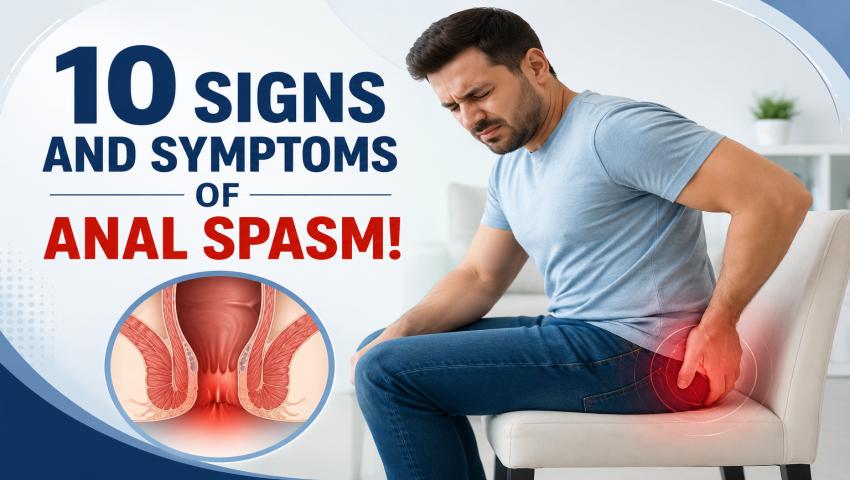
10 signs and symptoms of Anal Spasm!
Anal spasm is an involuntary tightening of the internal anal sphincter muscle. This muscle controls bowel movements. When it contracts without reason, it causes intense pain around the rectum and anus.

Why Do People Delay Piles Treatment? The Psychology Behind Ignoring Symptoms
Living with discomfort is never easy, yet thousands of people in Kerala suffer in silence when it comes to proctological issues. Piles, also known as haemorrhoids, are a common health concern.

Internal Hemorrhoid Symptoms You Shouldn’t Ignore: Bleeding, Pain, and More
Internal hemorrhoids are one of the most common proctological conditions. They develop inside the rectum and are often painless in the early stages. This is exactly why so many people ignore them for months — sometimes even years.

How to Avoid Constipation and Haemorrhoids During Pregnancy?
During pregnancy, your body produces more progesterone hormone. This hormone relaxes the muscles in your intestines. As a result, digestion slows down. Stool moves slowly through the colon. This leads to constipation.

I Am Scared to Go to the Toilet Because of Pain – What Should I Do?
Painful bowel movements are not just about constipation. The pain you feel could be a sign of an underlying condition that needs medical attention.
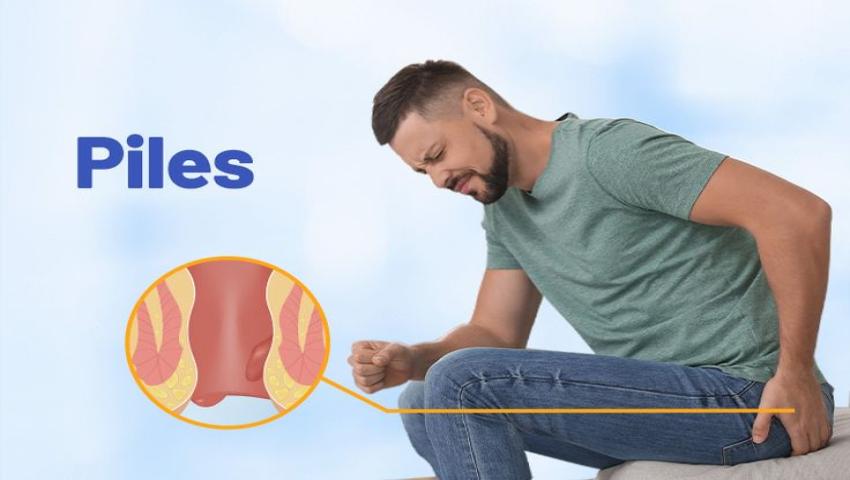
When Do Piles Become Dangerous? (Most People Don’t Know)
Piles are swollen veins in the lower rectum or anus. They develop when there is increased pressure in the rectal area, which can occur due to chronic constipation, straining during bowel movements, prolonged sitting, obesity, or pregnancy.
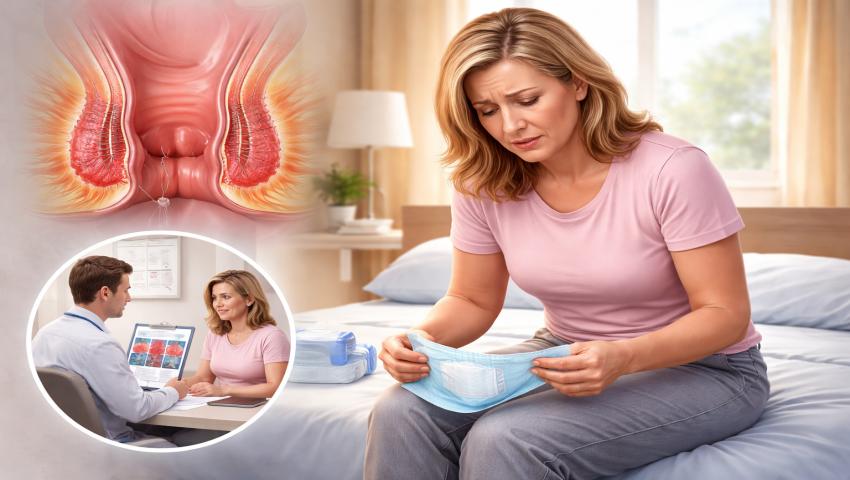
Incontinence After Anal Surgery: Is It Permanent?
Incontinence refers to the inability to fully control bowel movements or gas. This may lead to accidental leakage of stool or difficulty holding gas.
Fissure Healed, but Bleeding Continues: What Could Be the Reason?
In many cases, once an anal fissure heals, both pain and bleeding gradually disappear. However, if bleeding continues, it may indicate that either the fissure has not completely healed or another condition is present.

Thrombosed Piles: Causes, Symptoms, and Emergency Treatment
Thrombosed piles occur when blood pools and forms a clot inside an external hemorrhoid vein. Because the blood cannot circulate normally, pressure builds up in the vein, causing severe pain and inflammation.